
Wisdom Teeth Removal
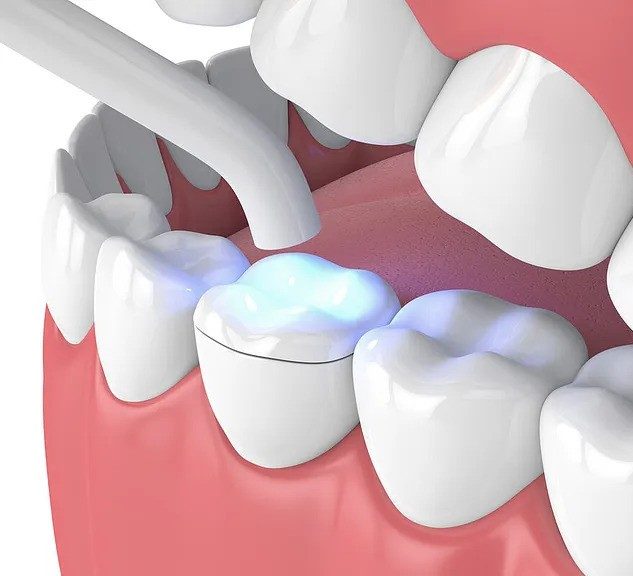
Wisdom Tooth Removal in Nairobi
Your wisdom teeth, also known as third molars, are the last set of teeth to emerge, typically during early adulthood. However, these teeth often lack sufficient space to erupt properly, leading to impaction – a condition where they become trapped beneath the gum line or adjacent teeth. At Enamel Elegance, our skilled oral surgeons specialize in the safe and effective removal of impacted wisdom teeth, alleviating discomfort and preventing potential complications.
Our experienced dentists in Westlands carefully evaluates each case through dental X-rays, studying the root shape and position to plan the optimal approach.
Do I Need Wisdom Tooth Removal?
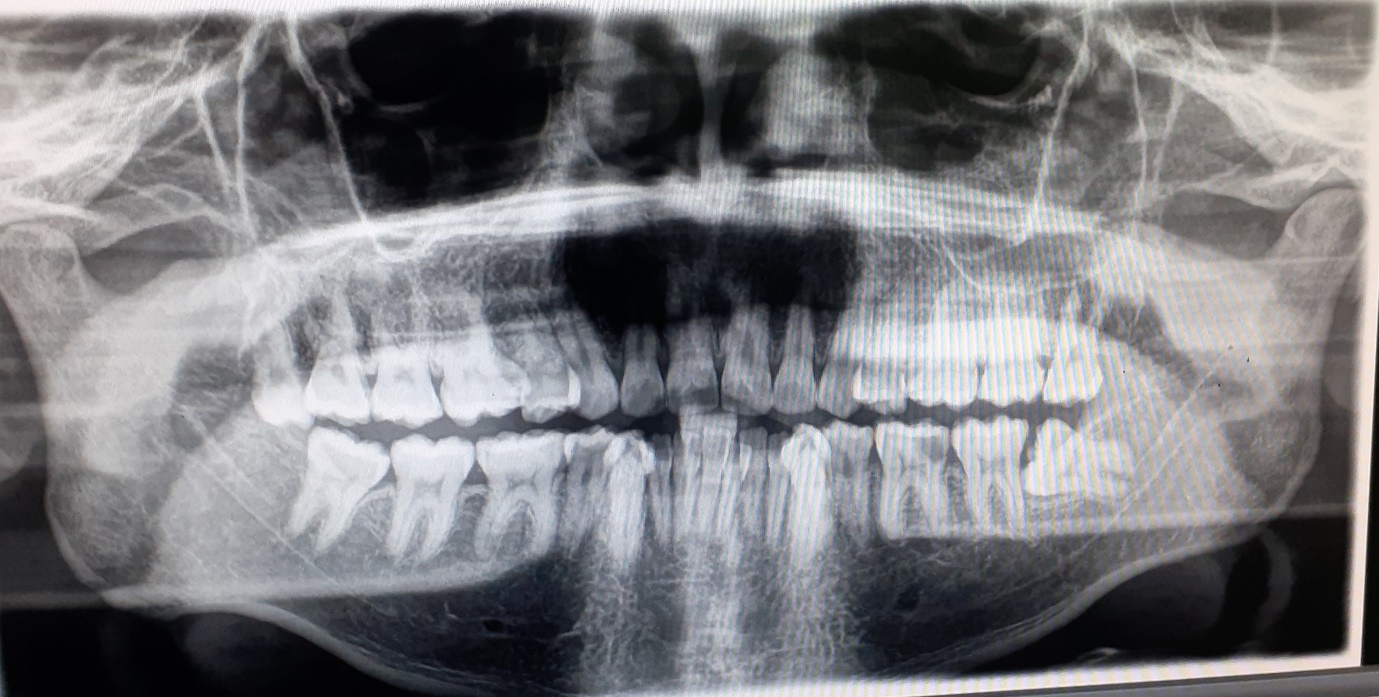
Wisdom tooth removal, or impacted third molar disimpaction, may be necessary to address impacted teeth and prevent potential complications if you have:
- Pain in or near your wisdom teeth.
- Repeated infection of soft tissue behind the lower last tooth.
- Fluid-filled sacs called cysts.
- Tumors.
- Damage to nearby teeth.
- Gum disease.
- Widespread tooth decay
From Impaction to Restoration
The transformative disimpaction process, from the initial consultation and X-ray evaluation to the precise surgical removal of impacted wisdom teeth, ensuring a comfortable and efficient procedure. This ensures a fully restored, pain-free smile, empowering you to embrace optimal oral health and well-being.
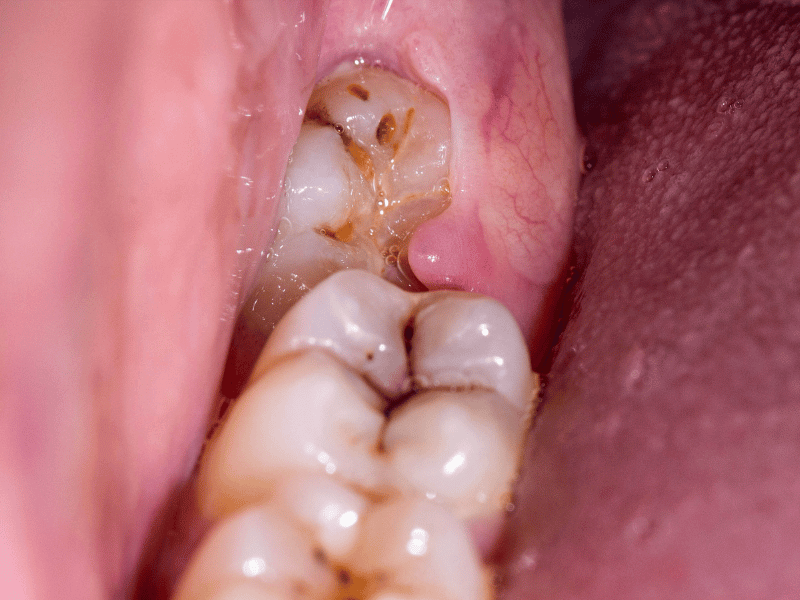
Impacted Third Molar
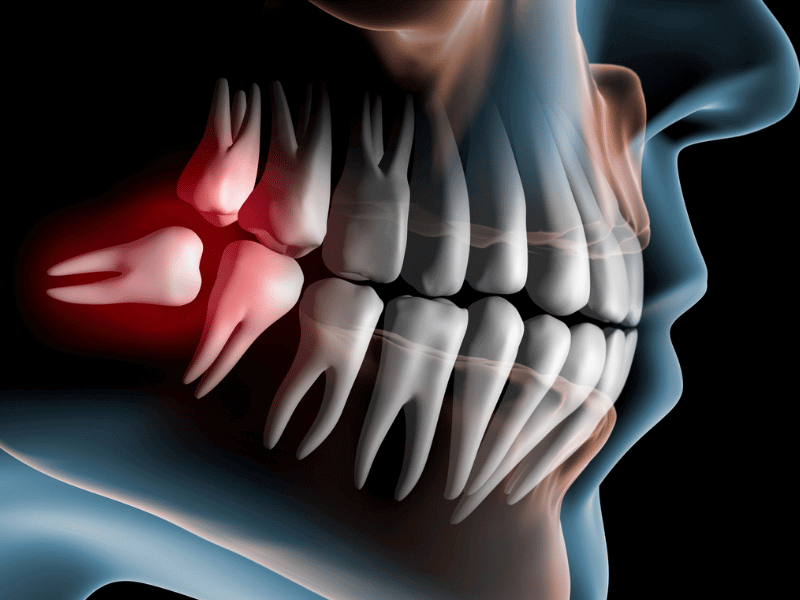
Illustration of Impacted Wisdom Teeth
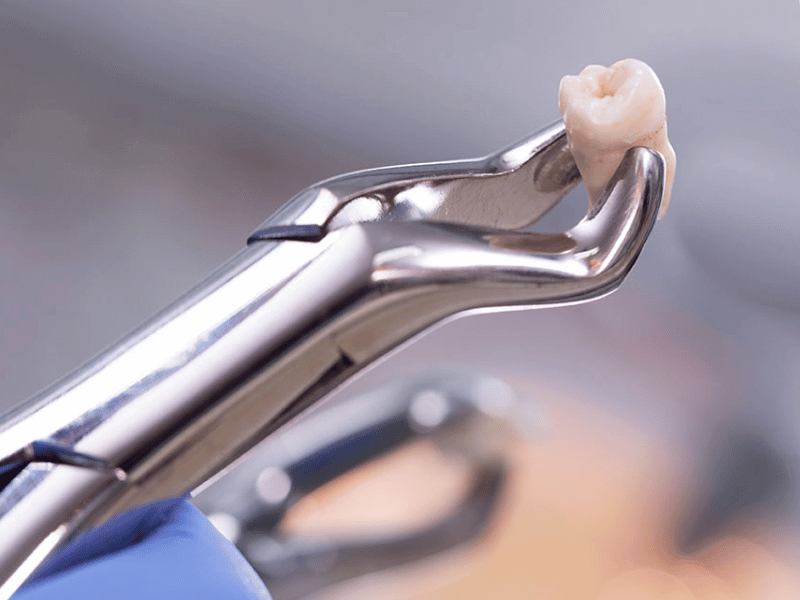
Get Pain Relief and Restore Your Smile with Wisdom Teeth Removal in Westlands
FAQs
What are wisdom teeth?
Why would I need to remove my wisdom teeth?
Why are impacted wisdom teeth removed?
The procedure of removing impacted teeth is called Disimpaction.
What happens during a disimpaction?
A dental x-ray to study the root shape and position is done so as to guide the clinician. This helps to avoid damage of these nerves while doing the surgical removal of an impacted tooth.
What would happen if I opted to keep an impacted tooth?
Additionally, when a lower wisdom tooth is removed the opposing upper molar might also be removed. This is because the absence of the lower tooth leads to continued eruption of its upper opponent, which can cause cheek biting while also predisposing the adjacent tooth to decay.